
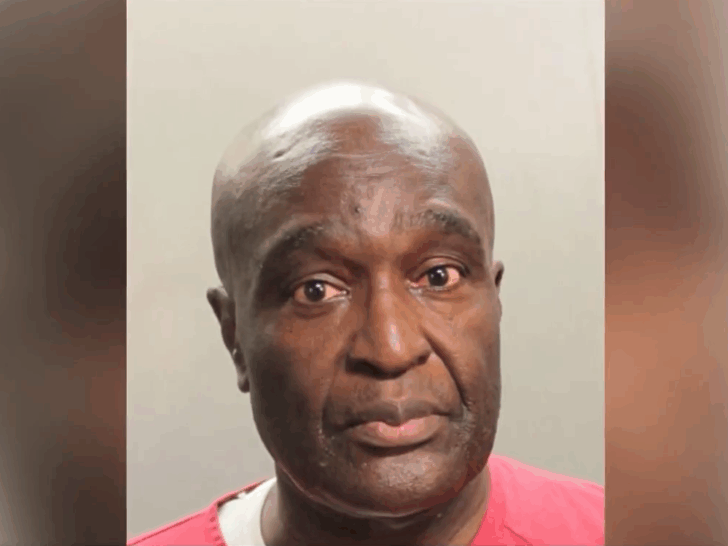
This is one of the most disturbing criminal cases that we’ve read in some time.
It is also a troubling legal case for different reasons.
In 1998, a man in Florida kidnapped a young mother and her child.
He abandoned the 5-year-old in the Everglades, where she was devoured by alligators. Now, he is once again facing the death penalty.
Be warned, this is an extremely upsetting story
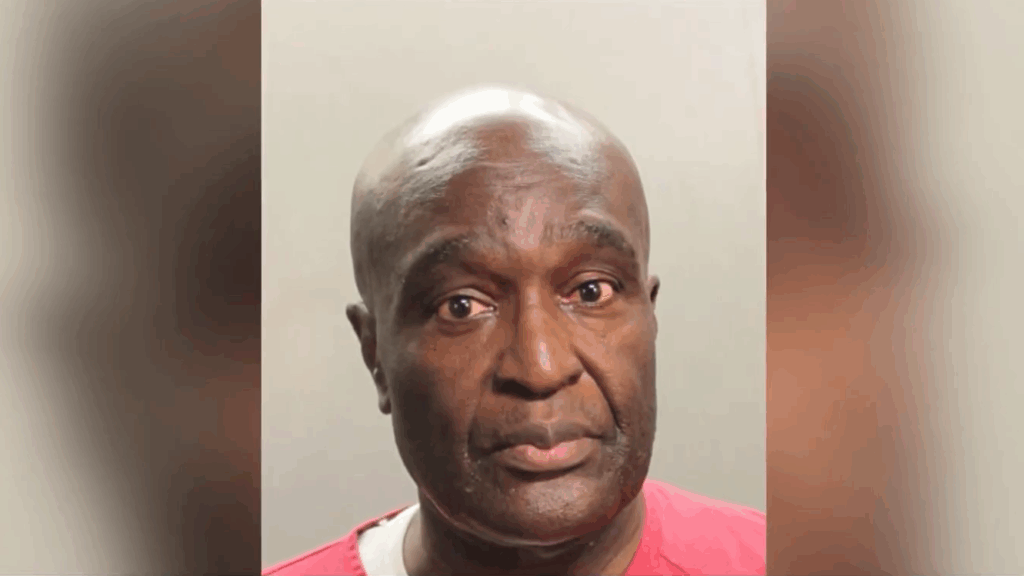
On November 7, Harrel Braddy kidnapped Shandelle Maycock and her 5-year-old daughter, Quatisha Maycock.
Apparently, he had befriended Shandelle because they were part of the same church.
As with so many crimes against women, he apparently flew into a rage when Shandelle turned down his advances and asked him to leave her home.
According to court testimony, he beat Shandelle and left her by a highway. He strangled her until she became unconscious, and she only awoke the following day.
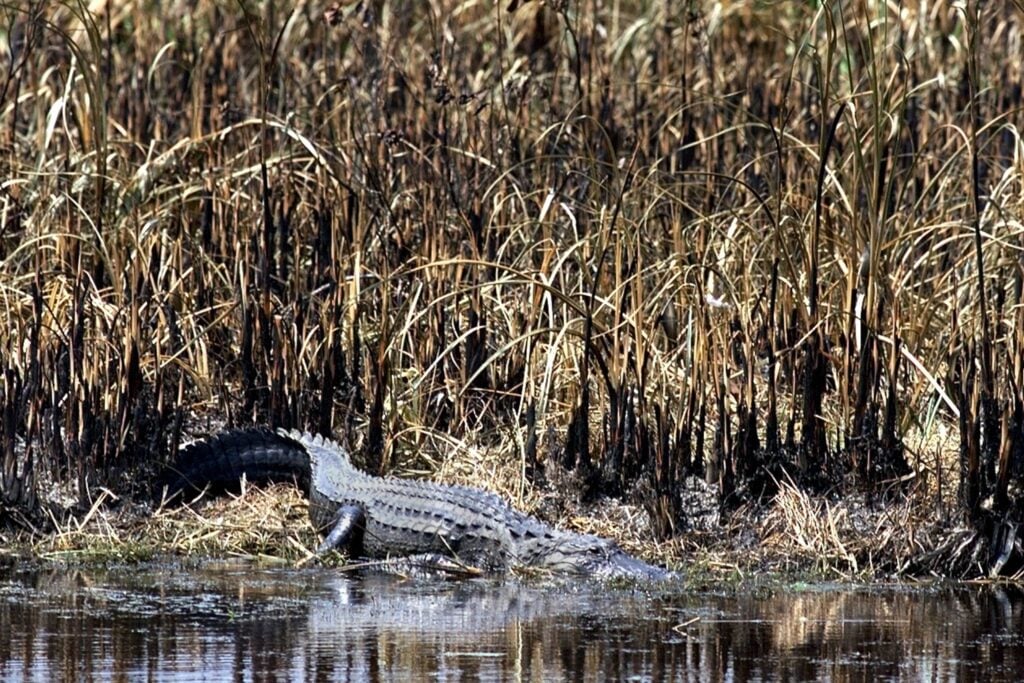
Braddy dumped Quatisha into the water in the Everglades. This was along a stretch of road with the nickname of Alligator Alley.
Most alligators do not generally view healthy, able-bodied, adult humans as potential food sources.
A panicked 5-year-old child abandoned in the Everglades would be an entirely different matter.
Days later, fisherman discovered Quatisha’s remains. Her entire body had been mauled by alligators.
According to prosecutors, her left arm was missing and her skull had been crushed. The office of the medical examiner determined that the arm likely came off after she died, but that some of the bites were perimortem — though she may have been unconscious at the time.
Braddy told detectives that he “knew she would probably die” when he abandoned her there. He was right.
The legal case was prolonged and complex
Braddy’s trial took nine years, in part because he cycled through as many as ten attorneys.
(The court ultimately heard testimony about his lengthy criminal career, involving multiple cases of kidnapping, including of a corrections officer, and other crimes such as home invasion)
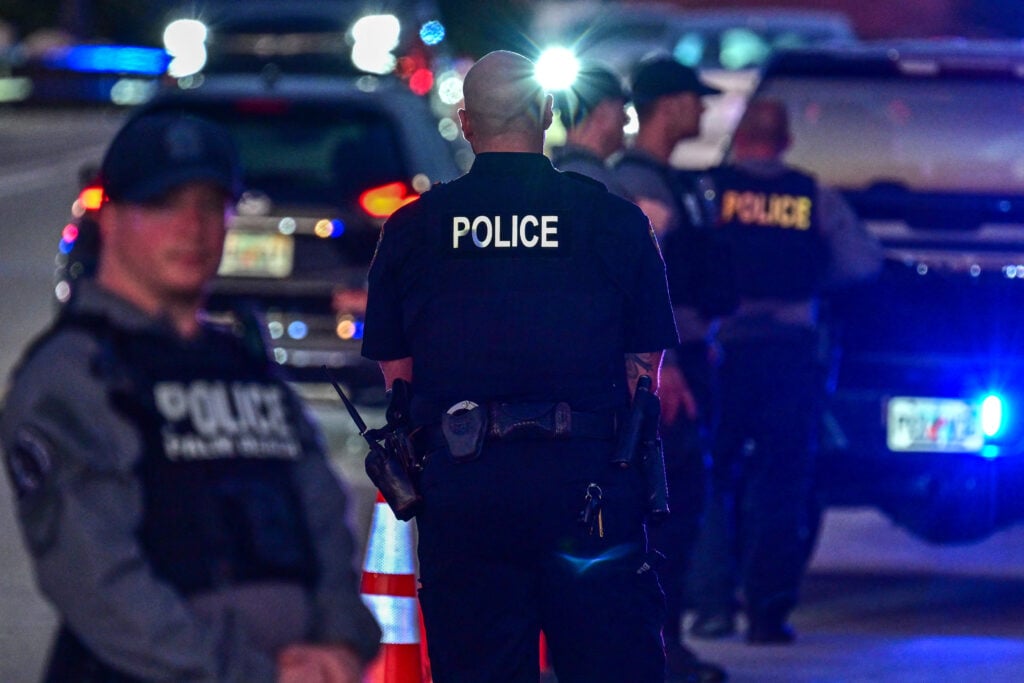
The trial had its issues. For example, Braddy’s rights were violated during the investigation. He had also apparently tried to escape from one of the interview rooms before finally agreeing to help detectives locate the body.
The jury found Braddy guilty of first-degree murder, attempted first-degree murder, two counts of kidnapping, burglary of a structure with an assault or battery therein, child neglect causing great bodily harm, and attempted escape.
On August 31, 2007, the jury voted eleven to one to recommend the death sentence. The trial court held a hearing on the matter and sentenced Braddy to die.
In 2017, ten years after his conviction, the Florida Supreme Court vacated the death sentence.
At the time, jury verdicts needed to be unanimous in death penalty cases. Braddy’s jury was not quite unanimous in their sentencing recommendation.
In 2023, Florida’s infamous governor, Ron DeSantis, signed a law lowering that threshold from unanimous to 8-4.
This means that Braddy is once again facing the death penalty. In recent months, two others have received similar resentencings.
(As it stands, he already has multiple life sentences and more)

The death penalty is about more than just one evil man
Braddy’s crimes are horrific, and follow a long history of unthinkable violence against people of all walks of life.
(This man’s criminal record goes back to before I was born, and to before Quatisha Maycock was born)
Sometimes, people reduce the death penalty debate to whether evil should exist, and whether people who do evil should die — whether the world is better without evil people in it.
Ultimately, however, that is not the death penalty question. Capital punishment comes down to whether we trust the state and every step of an investigation, from police to jury selection to politicians setting sentencing guidelines, to condemn someone to die in this manner.
No reasonable person will mourn Braddy. But the vast majority of people on death row have done nothing as evil as the crimes for which he has been convicted. Some are innocent.