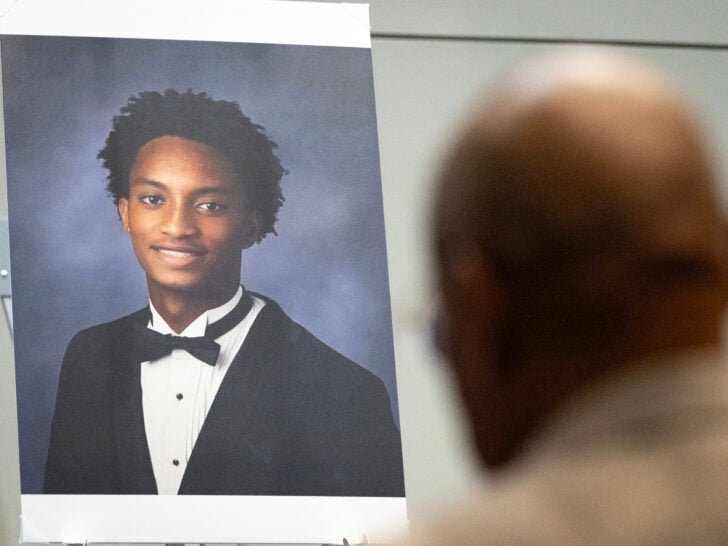
The months-long investigation into the mysterious death of 18-year-old Nolan Wells has reached a major turning point.
But his family says there are still plenty of unanswered questions.
A Mississippi grand jury has declined to bring criminal charges in connection with Nolan’s death after reviewing evidence surrounding his disappearance from Horn Island over the July Fourth holiday.
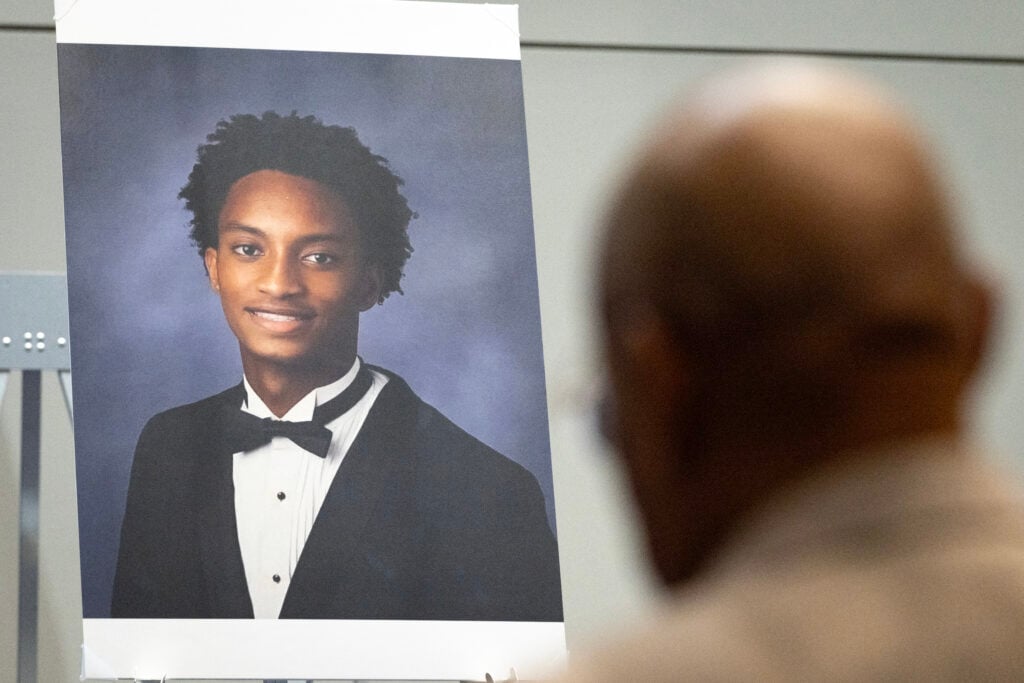
Nolan had been celebrating with friends on the Mississippi Gulf Coast on July 4 when he was last seen on the barrier island. His body was discovered two days later.
Today, Jackson County District Attorney Angel Myers McIlrath announced that the grand jury had returned a “no true bill,” meaning prosecutors did not believe there was sufficient evidence to indict anyone.
According to the grand jury report, the 23-member panel heard testimony from 43 witnesses and reviewed physical evidence, police reports, digital evidence, photographs, videos, maps and other investigative materials.
The panel concluded there was no credible evidence that anyone who traveled to or from Horn Island that day engaged in criminal conduct related to Nolan’s death.
The report also addressed questions surrounding Nolan’s decision to remain on the island after some of his friends left.
“Nolan chose to stay on the island that day,” McIlrath said in a recorded statement, adding that there was no evidence contradicting that conclusion.
The circumstances surrounding Nolan’s death have nevertheless remained difficult to explain.
Both the Mississippi medical examiner and an independent forensic pathologist hired by Nolan’s family determined that the cause and manner of death were undetermined. The grand jury report said the location and condition of Nolan’s body were consistent with drowning, while acknowledging that drowning was essentially a diagnosis of exclusion.
Bruising was also found on the back of Nolan’s head. The grand jury determined that the injury was not fatal and found no evidence of a fatal injury or underlying disease.
One witness reported seeing Nolan slip awkwardly from a boat shortly before he was last seen, although the witness could not determine whether he struck his head. The witness said Nolan continued socializing afterward and did not appear injured.
Nolan’s family and their attorney, civil rights lawyer Ben Crump, have continued to question what happened.
Following the grand jury announcement, Crump wrote that “No True Bill Does Not Resolve How Nolan Wells Died,” arguing that the public still deserves a complete account supported by evidence and records.
The grand jury report does leave the door open for the investigation to continue if new evidence emerges.
And considering how many questions have surrounded Nolan’s final hours, this case may not be disappearing from the headlines anytime soon.